Creator Record
Metadata
Name |
Botkin, Henry |
Notes |
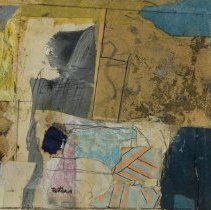
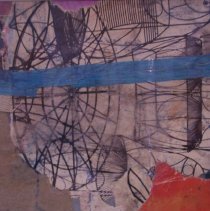
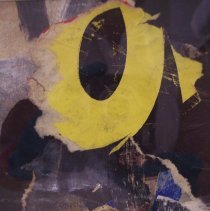
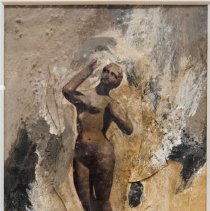
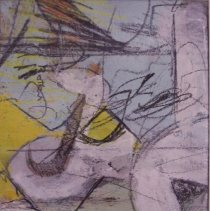
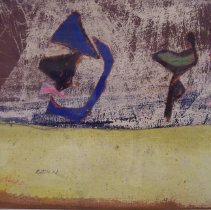
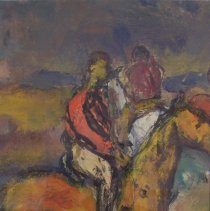
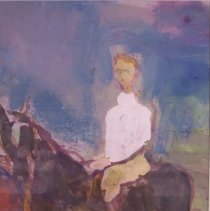
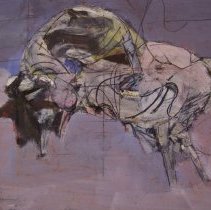
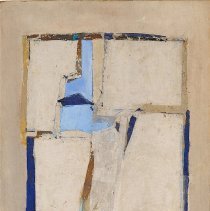
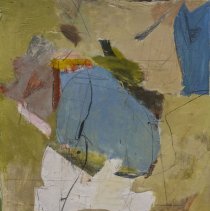
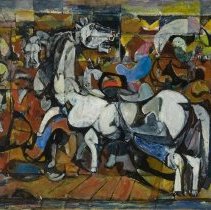
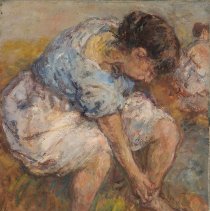
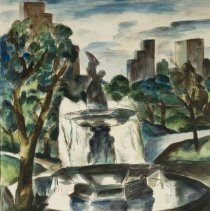
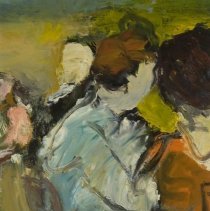
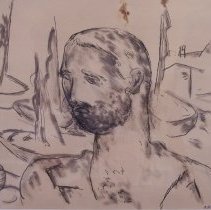
Henry Botkin was born on April 5, 1896, in Boston, Massachusetts. After early training at the Massachusetts College of Art, Botkin moved to New York City. He took classes in drawing and illustration at the Art Students League of New York and worked as an illustrator for a variety of publications, including Harper's, The Saturday Evening Post and The Century Magazine. In the early 1920s, the artist left New York for an extended stay in Paris which was supported by his cousins George and Ira Gershwin. In 1926, the artist built a studio and remained in Paris until 1930. He also made regular trips to the south of France, especially Saint-Tropez, where he captured the daily life of residents and the French countryside. He returned to New York in 1930 and married Rhoada Lehman, and shortly thereafter moved to Folly Island, South Carolina to join George Gershwin. In the late 1930s Botkin changed his painting style, moving from the School of Paris Modernism to abstraction and collage. Collage dominated his work until the 1960s. "Collage for me," he once said, "is the intensification of painting; it is an expansion that can be added to the progress of the artist." He served as president of four major art organizations including: The Artists Equity Association, The American Abstract Artists, Group 256 Provincetown, and The Federation of Modern Painters and Sculptors. Botkin helped to organize the first exhibition of American abstract painting at the National Museum of Modern Art, Tokyo Japan, in 1955. He also organized the sale of five hundred and forty paintings at the Whitney Museum of American Art in New York, 1959. Botkin spoke on the radio, "The Voice of America," television, lead panel discussions throughout the country, and lectured and taught privately in New York, California, and Provincetown, Massachusetts. Botkin died on March 4, 1983, in New York City, New York. A large part of Botkin's estate was donated to the Hilliard University Art Museum in 1981 and it remains one of the largest repositories of Botkin's work to date. Botkin's experience characterizes that of so many American artists who traveled to Europe in the early 20th century and returned with new philosophical and aesthetic ideals about art. Through his work, we are able to witness the evolution of American Modernism as it moved from its European roots to become an important foundation to 20th century American art. |
Nationality |
American |
Occupation |
Illistrator, painter, lecturer |